Commercial & Industrial Portable Power Stations for Dutch Buyers
Explore our certified series of portable energy hubs, intelligent battery systems, and smart telemetry controllers custom-engineered for distributors and B2B clients across Amsterdam, Rotterdam, Utrecht, and Eindhoven.
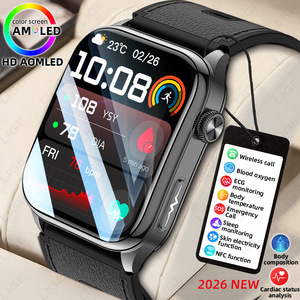
S101 AMOLED Smart Telemetry Portable Power Station
Equipped with real-time AMOLED diagnostic monitoring, IP67 moisture protection, and dual 230V AC pure sine wave outputs for outdoor commercial operations.
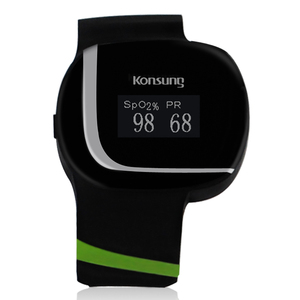
W01LT IPX1 Wi-Fi Connected Power Hub & Smart App Monitor
Ultra-clean power station featuring integrated Wi-Fi telemetry, low ambient noise, and instant UPS takeover for critical healthcare and laboratory equipment.
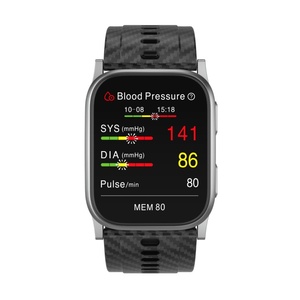
Wearable Energy Monitor Connected Commercial Power Hub
Designed for field technicians with Bluetooth LE sensor pairing, body-thermal protection warnings, and heavy-duty rubberized impact bumpers.
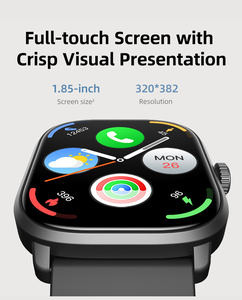
IP68 All-Weather Waterproof Solar Power Station (1.95" Touch)
Built to withstand wet Dutch maritime climates with complete submersion resistance, dual MPPT solar controllers, and integrated compass for marine navigation.
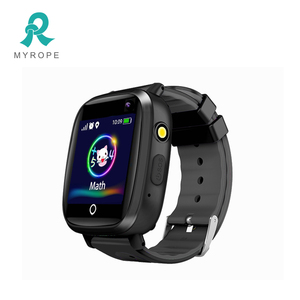
4G Cellular IoT Portable Power Station with GPS Tracking
Ideal for tool rental enterprises across the Netherlands; features 4G cloud telematics, remote output shutdown, thermal detection, and live GPS location monitoring.
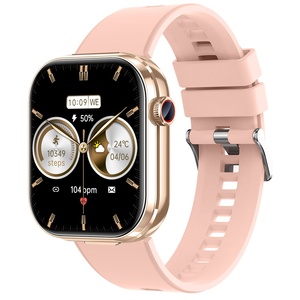
T99 Modular Dual-Output Portable Power Hub & Audio Relay
Features integrated wireless communications modules, long battery shelf-life, long-distance voice relay, and dual high-speed USB-C Power Delivery ports.
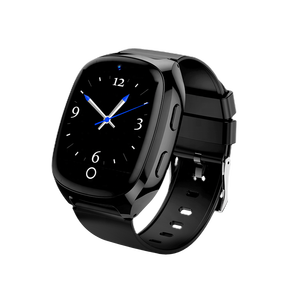
D300 SOS-Enabled Portable Power Station with Automated Alarm
Designed for residential healthcare facilities in the Netherlands. Incorporates one-touch emergency shutdown, drop detection alarms, and localized grid failure alerts.
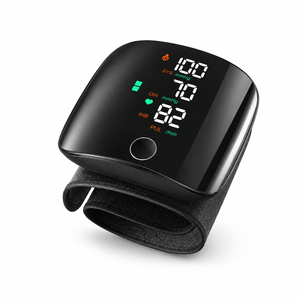
Ultra-Portable Pure Sine Wave Energy Station & Rapid Charger
Ergonomic, low-weight battery generator optimized for urban service vehicles, mobile office workers, and field inspection tools across Dutch urban centers.
Industry Whitepaper: Navigating the Netherlands Portable Power Market
The Netherlands is experiencing an unprecedented structural shift in its energy infrastructure. Driven by ambitious national decarbonization targets, the rapid adoption of solar photovoltaic (PV) systems, and strict municipal climate mandates, the demand for mobile, decentralised battery storage solutions has transitioned from a niche outdoor lifestyle luxury to an essential commercial asset. For B2B importers, distributors, and logistics procurement managers serving the Dutch realm, understanding the technical, regulatory, and environmental requirements of portable power stations is vital for achieving sustained competitive advantage.
1. Grid Congestion (Netcongestie) & Peak Shaving Demand
One of the most pressing macroeconomic catalysts in the Dutch energy landscape is severe electrical grid congestion, locally referred to as Netcongestie. Regional transmission system operators (TSOs) such as TenneT, alongside distribution network operators (DNOs) including Liander, Enexis, and Stedin, have repeatedly issued grid bottleneck warnings across provinces like Noord-Brabant, Gelderland, Utrecht, and Noord-Holland.
As commercial building developments face prolonged delays in securing high-capacity grid connections, portable power stations rated between 1,000W and 3,600W (with expandable battery packs) serve as critical energy buffers. Commercial users utilize these mobile systems to absorb excess midday solar generation and discharge it during peak tariff hours, effectively engaging in localized energy arbitrage and relieving stress on localized transformers.
2. Phase-Out of Net-Metering (Salderingsregeling)
The upcoming regulatory evolution of the Dutch net-metering scheme (Salderingsregeling) significantly enhances the financial ROI of portable battery storage. Historically, Dutch residential and small B2B consumers could feed excess rooftop solar power back into the national grid at full retail value. With the legislative transition toward phased reduction of feedback credits, energy self-consumption has become the primary metric of economic efficiency. Integrating smart portable power stations with high-speed Maximum Power Point Tracking (MPPT) solar inputs allows users to store up to 99% of generated solar energy locally, mitigating exposure to negative feeding tariffs.
| Technical Feature | Standard Consumer Power Station | Industrial Dutch-Market Export Grade |
|---|---|---|
| Battery Cell Chemistry | NMC / NCM (800–1000 Cycles) | Automotive-Grade LiFePO4 (>3500 Cycles to 80% DOD) |
| Grid Compatibility | Universal 230V / 50Hz (Basic) | Strict NEN 3140, CE, Low Voltage Directive (LVD) Compliant |
| Inverter Waveform | Modified or Basic Sine Wave | Ultra-Low THD (<2%) Pure Sine Wave for Sensitive Electronics |
| Enclosure Protection | Standard ABS Plastic (IP20/IP21) | Flame-Retardant UL94-V0, IP65/IP68 Water & Dust Resistant |
| IoT & Fleet Telematics | Basic Bluetooth App | 4G LTE / Wi-Fi Cloud Connectivity with Remote BMS Diagnostics |
3. Zero-Emission City Zones (Stetige Zero-Emissie Zones)
Beginning in 2025, over 30 major Dutch municipalities—including Amsterdam, Rotterdam, The Hague, Utrecht, and Tilburg—are enforcing strict Zero-Emission Zones for delivery vans and commercial service vehicles (Zero-emissie zones voor stadslogistiek). Internal combustion engine (ICE) diesel generators are strictly prohibited on inner-city construction, municipal maintenance, and film production sites.
Portable power stations serve as the direct zero-emission replacement for fossil-fuel generators. Delivering zero tailpipe emissions, negligible decibel output (<30dB in silent modes), and seamless integration with clean charging sources, our export-grade units enable contractors to maintain full compliance with Dutch environmental enforcement agencies (Omgevingsdienst).
4. EU Regulatory Compliance & Safety Imperatives
Exporting portable energy storage systems into the Netherlands requires compliance with stringent European Union frameworks and Dutch national standards. Products supplied by OEM/ODM manufacturing partners must satisfy:
- EU Battery Regulation 2023/1542: Mandating full lifecycle traceability, carbon footprint declarations, recycled content thresholds, and digital battery passports.
- UN38.3 Transportation Certification: Guaranteeing battery pack thermal shock, vibration, impact, and altitude resistance during transport through Dutch ports such as Rotterdam.
- CE Mark (LVD 2014/35/EU & EMC Directive 2014/30/EU): Ensuring electromagnetic compatibility and electrical isolation safety.
- NEN 3140 Compliance: Meeting Dutch operational standards for electrical safety during professional maintenance and mobile work operations.
Targeted Application Scenarios Across the Netherlands
From urban canal maintenance in Amsterdam to agricultural greenhouses in Westland, our portable power systems deliver robust, flexible energy independent of grid infrastructure.
Maritime & Recreational Boating
The Netherlands' extensive inland waterways—including the IJsselmeer, Waddenzee, and historic city canals—impose stringent clean-water and low-noise regulations. Our IP68-rated power stations supply clean, silent 230V electricity for bilge pumps, marine navigation displays, and electric outboard motor recharging on pleasure craft and commercial barges.
Zero-Emission Construction Sites
To comply with nitrogen reduction mandates (Stikstofcrisis), Dutch urban building projects are rapidly adopting battery-powered power tools, cordless cement mixers, and LED work lighting. Portable power stations eliminate site generator idling, allowing construction crews to operate inside indoor spaces without ventilation risks.
Agritech & Greenhouse Automation
In the Westland agricultural belt, high-tech horticultural facilities rely on uninterrupted climate sensors, automatic irrigation pumps, and sorting equipment. Our power hubs offer high-speed UPS failover (<10ms) to ensure continuous operation during localized rural grid brownouts.
Off-Grid Hospitality & Eco-Tourism
Eco-resorts, glamping sites, and camper parks located in nature reserves such as the Veluwe demand silent power options for international guests. Portable units provide clean charging for e-bikes, laptops, medical CPAP machines, and outdoor catering gear without disrupting local ecosystems.
Last-Mile Logistics & Cold Chain Support
Electric delivery fleets operating in Dutch city centers require auxiliary power solutions to run refrigeration compressors, thermal barcode scanners, and handheld terminals. Integrated 4G cloud telematics allow logistics dispatchers to monitor state-of-charge (SOC) remotely.
Residential Health Care & Home Medical Care
Dutch healthcare providers (Thuiszorg) increasingly deploy high-tech medical monitoring, oxygen concentrators, and motorized beds at home. Medical-grade power backup stations guarantee uninterrupted device performance during maintenance downtime.
OEM/ODM Manufacturing & Exporter Advantages
Leveraging 15+ years of engineering experience and a robust global supply chain network, we provide Dutch importers with unmatched technical excellence and logistics support.
Automotive-Grade LiFePO4 Cell Selection
We source exclusively from Tier-1 lithium iron phosphate (LiFePO4) cell manufacturers. Our chemistry delivers over 3,500 full charge-discharge cycles while retaining 80% original capacity, ensuring exceptional return on investment for end-users.
Intelligent Multi-Layer BMS Architecture
Our proprietary Battery Management System (BMS) incorporates dual-redundant microcontrollers that continuously monitor per-cell voltage, current limits, thermal gradients (-10°C to 55°C), and short-circuit risk, preventing thermal runaway events.
Direct European Warehouse Fulfillment
We maintain streamlined shipping routes into the Port of Rotterdam and main logistics corridors. Dutch B2B buyers benefit from flexible Incoterms (FOB, CIF, DDP), simplified customs clearance, and reduced lead times for bulk container shipments.
Custom B2B Brand & Software Localization
From custom exterior color palettes and Dutch language LCD user interfaces to private-label mobile app integration and bespoke retail packaging, we offer end-to-end OEM/ODM brand adaptation for regional distributors.
Rigorous Quality Assurance Standards
Operating under ISO 9001 and ISO 14001 certified manufacturing protocols, 100% of our power stations undergo full-load burn-in testing, high-voltage insulation testing, and vibration testing prior to container dispatch.
Comprehensive Warranty & Spare Parts Support
We back our portable power range with multi-year factory warranties and provide dedicated modular replacement parts (BMS boards, inverter assemblies, LCD displays) to facilitate rapid local servicing across the Benelux region.
Frequently Asked Questions by Dutch Importers
Detailed technical and commercial answers tailored for procurement directors, logistics hubs, and retail buyers in the Netherlands.
Q: Are your portable power stations fully certified for distribution in the Netherlands and EU?
Yes. All models destined for the Netherlands market strictly adhere to European regulatory directives. They carry comprehensive CE markings (Low Voltage Directive 2014/35/EU and EMC Directive 2014/30/EU), RoHS environmental compliance, UN38.3 lithium battery transport safety certificates, and test reports aligning with Dutch electrical safety practices (NEN 3140). Full documentation packages are provided for customs clearance and retail compliance audits.
Q: How do your units handle cold weather conditions during Dutch winters?
Our portable power stations are engineered with smart BMS thermal protection management. Internal temperature sensors prevent charging when cell temperatures drop below 0°C, guarding against lithium plating damage. Selected heavy-duty commercial models feature integrated self-heating thermal pads that utilize auxiliary solar or grid energy to warm the battery cells prior to initiating rapid charge cycles in cold climates down to -10°C.
Q: What AC socket output configurations do you offer for European markets?
We provide native Type F (Schuko / CEE 7/3) grounding AC wall outlets as standard for all shipments to the Netherlands. The outlets deliver pure sine wave electricity at 230V AC ±2% and 50Hz, ensuring seamless compatibility with high-draw professional power tools, sensitive medical equipment, and modern consumer electronics without causing electrical noise or harmonic distortion.
Q: Can your systems integrate with local Dutch rooftop solar panels?
Absolute compatibility is built-in. Featuring integrated high-efficiency MPPT (Maximum Power Point Tracking) solar charge controllers operating at up to 99% conversion efficiency, our power stations support wide solar DC voltage input ranges (12V to 145V DC). They connect directly to portable fold-out solar blankets or standard residential rigid PV modules via universal MC4 connectors.
Q: What are the minimum order quantities (MOQ) and lead times for shipping to Rotterdam?
For standard brand inventory, initial evaluation orders start at 20 units. Custom OEM/ODM orders (incorporating customized chassis branding, Dutch packaging, and custom firmware settings) typically carry an MOQ of 100 units. Production lead times average 20 to 25 business days, with transit times to the Port of Rotterdam ranging between 22 and 28 days depending on maritime carrier scheduling.
Q: How do you assist with the EU Battery Passport and recycling mandates?
We actively support our B2B partners in satisfying EU Regulation 2023/1542 requirements. Each exported power station features a unique serialized digital identifier linked to comprehensive QR data, providing verifiable information on battery cell origin, chemical composition, recycled material content, and end-of-life recycling guidelines compliant with Dutch waste management authorities (Stichting OPEN / Wecycle).