Flagship OEM/ODM Product Lineup
Discover custom-engineered portable monitors, medical-grade telemetry screens, and industrial smart wearable displays manufactured for global distributors, brands, and enterprise fleets.
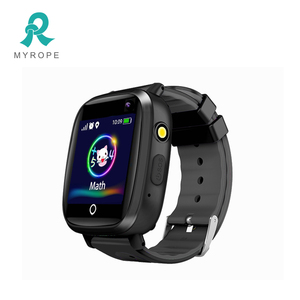



1. Industry Whitepaper: The Evolution of Portable Monitors for Laptops
As remote workforces, mobile workstation demands, and field-engineer productivity scenarios proliferate globally, the enterprise market for portable monitors for laptops has expanded beyond consumer convenience into a critical industrial procurement category. B2B buyers, global technology brands, and IT system integrators require OEM and ODM partners capable of delivering high-reliability, low-latency, and color-accurate display solutions that integrate seamlessly with modern laptop chipsets (including Apple Silicon M-Series, Intel Core Ultra, and AMD Ryzen platforms).
Modern enterprise procurement strategies prioritize vendor versatility. Leading portable monitor manufacturers must balance panel structural integrity with high-efficiency power management ICs (PMICs). By leveraging full-featured USB Type-C DisplayPort Alternate Mode (DP Alt Mode) alongside HDMI 2.1 bridging, custom laptop secondary displays now offer zero-driver plug-and-play capability across Windows, macOS, Linux, and Android environments.
Key Information Gain: Consumer vs. OEM Industrial Grade Displays
Procurement teams often face quality degradation when sourcing off-the-shelf consumer screens. The matrix below outlines how top-tier OEM factories differentiate industrial-grade portable displays from mass-market retail monitors.
| Evaluation Parameter | Consumer Retail Grade | OEM Enterprise / Industrial Grade | Procurement Advantage |
|---|---|---|---|
| Panel Tiering & Quality | Grade B / Mixed Open-Cell Panels | Grade A+ Zero Pixel Defect | Prevents RMA costs and brand reputation damage. |
| Housing Material & Thermal | ABS Plastic Shell (Thermal Flexing) | CNC Machined Anodized Aluminum | Superior heat dissipation and structural rigidity. |
| Power Delivery (PD) | Basic 5V/2A Bus Powered | 100W PD Pass-Through (Reverse Charging) | Powers both the monitor and host laptop simultaneously. |
| Driver Board Durability | Standard 1-Layer PCB | Multi-Layer Solid Capacitor PCBA | 24/7 continuous operational stability (50k hr MTBF). |
| Color Calibration | 45% NTSC Uncalibrated | 100% sRGB / DCI-P3 Factory Calibrated | Essential for design, finance, and medical imaging. |
Next-Gen Technological Development Trends
Explore the pivotal engineering trends shaping the future of portable screens, external workstation displays, and smart monitoring hardware.
2. Strategic B2B Sourcing & Future Procurement Trends
As global supply chains shift toward agile manufacturing and localized distribution hubs, wholesale buyers must align with factories capable of providing flexible OEM/ODM service models. The procurement landscape for laptop portable monitors over the next decade will be defined by three structural pillars:
A. Deep Hardware Customization (ODM Engineering)
Off-the-shelf catalog products no longer provide sufficient market differentiation. Corporate clients demand bespoke industrial design, including custom CNC bezel colors, laser-engraved corporate branding, customized firmware menus (OSD), and targeted panel specs (such as high refresh rate 144Hz for portable gaming displays or ultra-high contrast matte screens for outdoors).
B. Rigorous Regulatory Compliance & Sustainability Credentials
Cross-border import policies across North America, Europe, and Asia-Pacific mandate strict environmental and electrical safety certifications. Leading portable monitor manufacturers invest heavily in compliance testing, providing buyers with ready-to-import certification dossiers including:
- Electrical Safety & Emissions: CE, FCC-ID, UKCA, VCCI, and BSMI compliance.
- Environmental Directives: RoHS 2.0, REACH, and WEEE eco-friendly manufacturing standard certifications.
- Transport & Battery Safety: UN38.3, MSDS, and IEC 62133 certification for models equipped with internal Lithium-polymer cells.
C. Total Cost of Ownership (TCO) & Logistics Optimization
By optimizing ultra-thin profiles (down to 4.4mm panel thickness) and lightweight aluminum-magnesium alloys, top factories dramatically decrease volumetric freight costs for global air and sea cargo. Furthermore, low RMA rates (<0.2%) ensure that bulk buyers maximize gross margins without unbudgeted warranty expenses.
3. Enterprise OEM/ODM Manufacturing Infrastructure
Operating as a key division under Intelligent Technologies, our manufacturing ecosystem combines art-inspired design with military-grade precision engineering. Spanning over 15+ years of specialized consumer electronics and display module production, our state-of-the-art facilities offer global brand partners an end-to-end supply chain solution.
Factory Highlights & Quality Assurance Framework:
- Automated SMT Production Lines: High-speed Surface Mount Technology lines capable of micro-soldering complex multi-layer driver boards with zero human error.
- Class 10,000 Dust-Free Cleanrooms: Optical bonding and LCD/OLED panel assembly are conducted within strictly controlled dust-free cleanrooms to guarantee zero dust specks or optical defects.
- Environmental Stress Screening (ESS): 100% of manufactured units undergo 8-hour continuous burn-in tests under elevated thermal conditions (45°C), high-frequency vibration testing, and 1.2-meter drop simulations.
- Global Logistics & Supply Chain Resilience: Long-term strategic agreements with top-tier panel foundries (BOE, LG Display, Samsung Display, Innolux) ensure stable raw material allocation even during global semiconductor shortages.
Frequently Asked Questions (B2B Procurement FAQ)
Answers to common technical, commercial, and logistics questions from enterprise buyers and wholesale importers.