Featured Smart Display & Protection Hardware Solutions
Direct from OEM/ODM certified production lines, integrating high-clarity optical films and medical-grade bio-sensor displays.
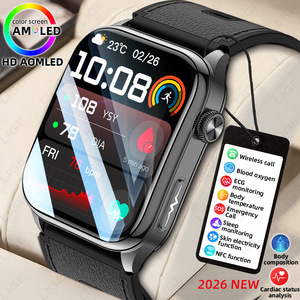
Cross-border New S101 AMOLED Display Life Waterproof Air Pump Blood Pressure Smart Watch
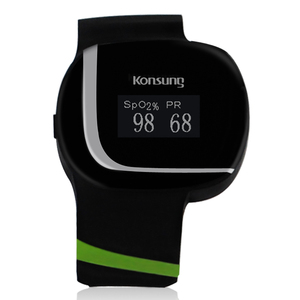
SONOSAT-W01LT Watch Type IPX1 Smart Blood Pressure Wifi SpO2 Wrist Pulse Oximeter
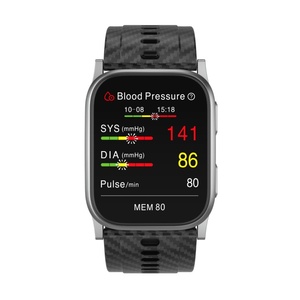
Approved Bluetooth Wearable Medical Grade Connected Body Temp & Pressure Smart Watch
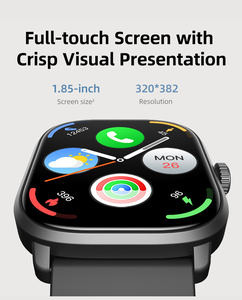
Smart Watch 1.95" Touch Screen IP68 Waterproof BT5.3 Compass Tracker 350mAh
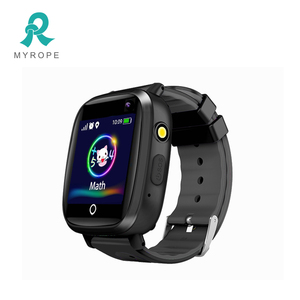
4G Smart Watch Waterproof GPS Tracker Phone Call with Heart Rate Detection
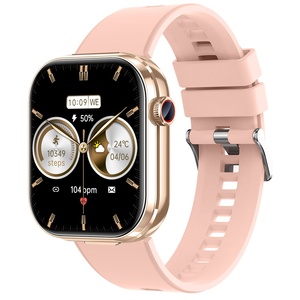
Cross Border T99 2-in-1 Smart Watch Earphones Square IPS Display Dual Call TPU
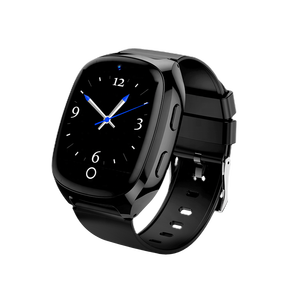
D300 4G GPS Smart Watch for Elderly Waterproof Falling Alarm SOS Button
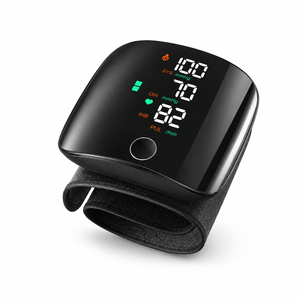
Portable Smart Blood Pressure Monitor Watch Style USB Rechargeable BPM Wrist Device
Enterprise OEM/ODM Manufacturing Capabilities & Technical Authority
As a core industrial division of Intelligent Technologies, our manufacturing ecosystem bridges consumer electronics design with cutting-edge optical film technology. Operating in state-of-the-art Class 100 cleanroom environments, our factory facilities in China specialize in precision roll-to-roll coating, die-cutting, vacuum electroplating, and optical laminate assembly for smartphones, wearable health monitors, and industrial touch interfaces.
Quality Assurance Guarantee: Every batch of screen protection films and display modules undergoes rigorous mechanical stress, UV degradation, and steel-wool friction testing, ensuring compliance with international CE, FCC, RoHS, and ISO9001 standards.
Self-Healing TPU Engineering
Utilizing high-elasticity Thermoplastic Polyurethane with thermo-reversible hydrogen bonds that repair micro-scratches within 2 hours at ambient room temperature.
AF Oleophobic Electroplating
Vacuum plasma sputtering deposits a fluorosilane layer achieving an initial water contact angle exceeding 115°, resisting fingerprint smudges and oils.
Aluminosilicate Glass Matrix
Secondary potassium-nitrate chemical toughening increases surface compression stress above 650 MPa, providing 9H pencil hardness and impact resistance.
Material Science Deep Dive: Selecting the Optimal Screen Protection Substrate
For B2B procurement managers, sourcing agents, and brand owners, choosing the right substrate directly impacts product longevity, touch sensitivity, and end-user satisfaction. China's top screen protector film suppliers work primarily across four core material classes:
1. High-Transmittance Optical PET (Polyethylene Terephthalate)
Composed of multi-layer optical grade polyester films coated with Dow Corning silicone adhesives. Offering up to 92% light transmittance, PET films are lightweight, cost-effective, and ideally suited for flat wearable screens, low-cost smart bands, and secondary display overlays.
2. Hydrogel & Self-Healing TPU (Thermoplastic Polyurethane)
Engineered specifically for 3D curved screens, flexible OLED panels, and smartwatches. TPU films feature superior flexibility, high impact cushioning, and self-healing memory properties that absorb shock from accidental bumps against walls or metal objects.
3. High-Alumina 9H Tempered Glass
The gold standard for smartphone display protection and high-end smart health wearables. Chemically reinforced through ion-exchange molten salt baths, these glasses feature 2.5D arc edges, explosion-proof anti-shatter membranes, and maximum scratch immunity.
4. Flexible Composite PMMA (Polymethyl Methacrylate Hybrid)
Combining the shatter-proof nature of polymers with the surface hardness of glass. PMMA composite films do not crack or break at the edges, solving a critical pain point for heavy-duty industrial and outdoor sports wearables.
Substrate Technical Comparison Matrix
| Material Type | Surface Hardness | Light Transmittance | Curved Surface (3D) Fit | Self-Healing | Primary Target Application |
|---|---|---|---|---|---|
| Optical PET | 3H - 4H | 90% - 92% | Fair (Flat Only) | No | Entry-level Smart Wearables & POS Displays |
| Hydrogel / TPU | 5H - 6H | 93% - 95% | Excellent (Full Edge Coverage) | Yes (Micro-scratches) | Curved AMOLED Wearables & Smartwatches |
| 9H Tempered Glass | 9H Mohs Scale | 98% - 99.5% | Good (Heat Bent 3D Glass) | No | Premium Smartphones & Health Monitors |
| PMMA Composite | 7H - 8H | 94% - 96% | Good (Flexible) | Partial | Rugged Outdoor Wearables & Industrial Devices |
Future Procurement & Technology Trends (2025-2030)
The screen protection manufacturing industry in China is undergoing a massive technological transformation driven by foldable displays, biometric sensors, and environmental sustainability mandates. Forward-looking buyers must align their procurement strategies with these critical developments:
Micro-Louver Privacy Coatings
Integration of optical micro-louver technology restricting viewing angles to +/- 30 degrees, preventing visual eavesdropping on sensitive medical or financial data.
AR Anti-Reflective Nano Coatings
Multi-layer magnetron sputtering lowers surface reflectivity from 8% down to under 0.5%, significantly boosting outdoor readability under direct sunlight.
Bio-Based PLA & Eco Packaging
Transitioning from traditional PVC and PET packaging to biodegradable PLA carriers, zero-waste release liners, and soy-based printing inks to meet global ESG metrics.
Antimicrobial Silver-Ion Infusion
Incorporating durable silver nano-particles directly into the top hard-coat, neutralizing 99.9% of common surface bacteria (E. coli, Staph) continuously.
Under-Display Biometric Clarity
Advanced optical clear adhesive (OCA) formulations engineered with zero light refraction distortion to support high-speed under-screen ultrasonic fingerprint reading.
On-Demand Plotter-Cut Films
B2B distributors are shifting toward universal master rolls paired with cloud-connected laser cutters, eliminating inventory risks across hundreds of device SKUs.
Factory Audit Checklist: Sourcing from Top Chinese Suppliers
Navigating China's vast ecosystem of screen protector factories requires systematic evaluation to avoid common manufacturing defects such as bubble formation, rainbow patterns, glue delamination, or misaligned die-cuts. Below is the framework used by top tier international buyers:
1. Cleanroom Environment (ISO Class 5 - Class 7)
Optical films are hypersensitive to airborne dust. Ensure your supplier operates cleanrooms fitted with HEPA filtration units and automated static elimination bars during the adhesive coating and laminating phases.
2. Adhesive (AB Glue) Formulation Quality
High-tier factories utilize Japanese or Korean optical grade AB glue (e.g., Toyo, NipPa). Superior glue flows effortlessly across the display glass, expelling air bubbles automatically while leaving zero sticky residue upon removal.
3. Precision CNC Cutting & Edge Polishing
For glass and PMMA protectors, CNC milling precision must be held within +/- 0.05mm tolerances. Edge polishing (2.5D arc contouring) eliminates micro-fractures, vastly improving drop test resistance.
Pro Sourcing Tip: Always request a Cross-Hatch Adhesion Test (ASTM D3359) and a Steel Wool Rub Test (1000g force @ 2000 cycles) before issuing final purchase orders for OEM screen protectors.
Frequently Asked Questions (Procurement FAQ)
What is the typical Minimum Order Quantity (MOQ) for custom OEM screen protectors?
For standard stock dimensions or universal TPU rolls, MOQs start as low as 500 to 1,000 units. For fully customized retail packaging, bespoke die-cut shapes, or specific chemical coating requests (e.g., custom matte or privacy angle), standard factory MOQs range between 3,000 and 5,000 pieces per model.
How do Chinese factories prevent the "Rainbow Effect" on PET and TPU films?
The rainbow effect is caused by light interference between layers with mismatched refractive indices. Premium manufacturers apply anti-interference optical coatings (index matching layers) on both sides of the PET/TPU substrate to eliminate optical distortion completely.
Can screen protector films be customized for complex smart wearables and medical devices?
Yes. Factories utilize high-precision laser cutting machines and custom stamping dies capable of creating ultra-precise cutouts for micro-air pumps, ECG electrodes, ambient light sensors, and curved AMOLED borders found in modern smart health watches.
What certification standards apply to international screen protector shipments?
Major international markets require REACH compliance (chemical safety), RoHS (restriction of hazardous substances), and California Prop 65 certification. Medical-grade display wearables additionally adhere to ISO 13485 manufacturing benchmarks.
What is the lead time for mass production and global delivery?
Standard prototype sampling takes 2 to 4 business days. Mass production typically requires 7 to 12 working days depending on order volume and packaging complexity. Air freight delivery spans 3 to 7 days, while ocean freight takes 20 to 35 days depending on the destination port.
Partner with China's Premier Screen Protection & Display Factory
Elevate your product line with certified optical clarity, custom OEM packaging, and direct factory pricing. Contact our engineering team today for technical datasheets and instant quote estimations.
Inquire Now